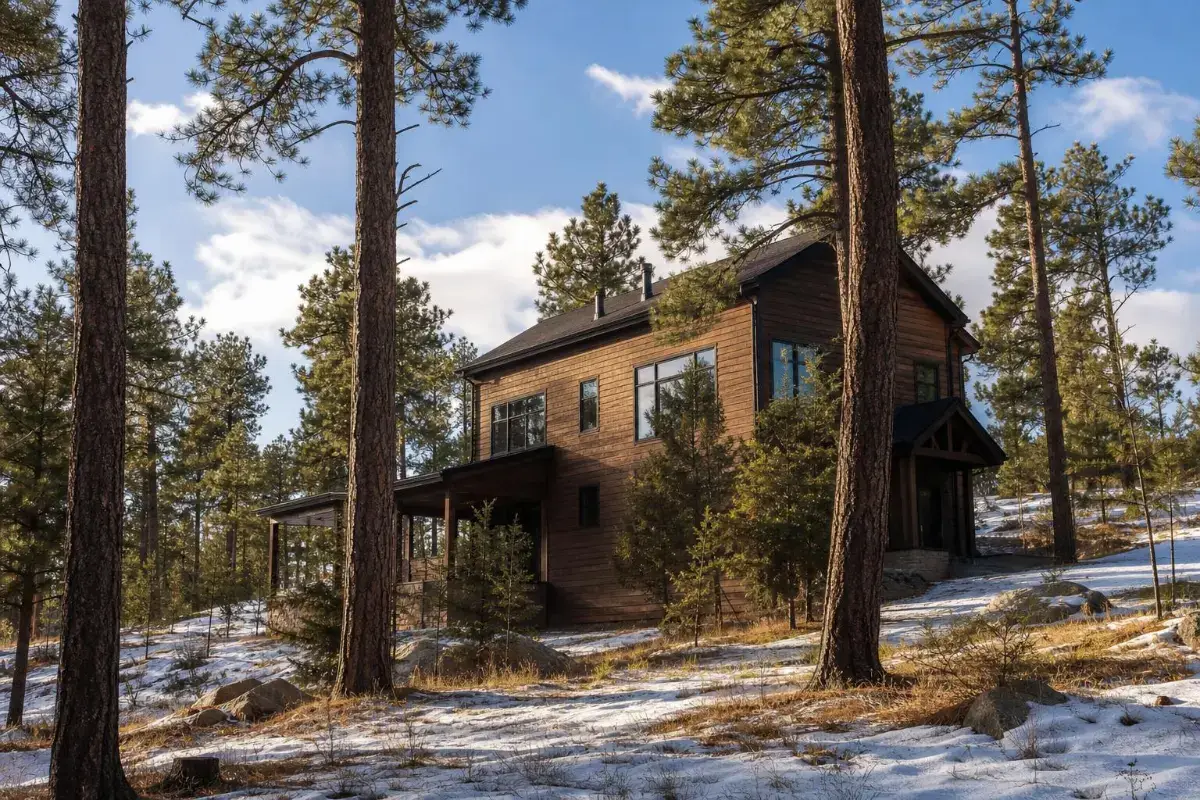
Tri-Lakes area, on the Palmer Divide
Foundation Repair in Monument, CO
New cracks, a heaved basement floor or doors that suddenly stick? Call or send a request to be connected with an independent foundation repair contractor who serves Monument.
Tri-Lakes area, on the Palmer Divide
New cracks, a heaved basement floor or doors that suddenly stick? Call or send a request to be connected with an independent foundation repair contractor who serves Monument.
Monument lies about 20 miles north of Colorado Springs on I-25, on the southern slope of Monument Hill and the Palmer Divide, the ridge that separates the Arkansas and South Platte river basins. If you are seeing new cracks, sticking doors or a basement floor that has moved, call or send a short request. Colorado Springs Foundation Repair Help is an independent referral service, not a foundation repair company, and it is not an engineering firm. Your request goes to an independent third-party foundation repair contractor who serves the Monument area and sets its own prices, schedule, warranty and terms. The referral is free and coverage is confirmed by address. Callbacks and on-site availability vary.
Monument started as Henry's Station after the Denver & Rio Grande Railroad arrived in 1872, took its current name when the town was platted in 1874 and incorporated in 1879, according to the Palmer Lake Historical Society. Growth followed the Air Force Academy in 1954 and picked up again around 1990. The 2020 Census counted 10,399 residents, nearly double the 5,530 of 2010, and the latest five-year estimate on Census Reporter shows about 11,735 people, roughly 4,400 housing units and a median owner-occupied home value of $636,700.
That pace means many foundations in places like Jackson Creek, Sanctuary Pointe, Regency Park and Home Place Ranch are only a decade or two old. Newer does not mean the ground has stopped moving. The Colorado Geological Survey calls expansive soil Colorado's most significant geologic hazard and names cracked and heaved basement and garage floor slabs as very common signs of it.
The bedrock here is the Dawson Formation, a coarse sandstone called arkose with layers of claystone mixed in. A U.S. Geological Survey study of the Air Force Academy site, just south of town, found that claystone lenses in the Dawson Arkose "swell upon exposure" and that probably no more than half of the Dawson there was the sandstone itself. The same report says the Dawson made a suitable foundation for the Academy's load-bearing caissons. Put simply, the sandstone usually carries weight well, while the clay layers can swell when they get wet. Which one sits under a given house is a question for a soils report or an engineer, not a guess.
Nearer the surface, the Colorado Geological Survey's Monument quadrangle map ties most of the area's deposits to the development of Monument Creek and places most of the map in the Monument Creek drainage basin, with an older stream deposit up on the Palmer Divide reaching northeast into the head of Cherry Creek.
Water is what makes clay move, so local drainage matters. In 1987 the state's water conservation board filed a flood hazard identification report on Crystal Creek and Dirty Woman Creek, prepared for the Town of Monument, and El Paso County lists drainage basin planning studies for the Monument Branch (1987) and for Dirty Woman and Crystal creeks (1993). If your lot backs onto one of these drainages, mention it when you describe the problem.
Snow is the other big source of water at the foundation. During the March 13 to 15, 2024 storm, the National Weather Service in Pueblo measured 21 to 28 inches around Monument. When that much heavy, wet snow melts against a house, it soaks the backfill right where swelling clay can do the most harm. The Colorado Geological Survey's homeowner guide to swelling soil recommends that the ground fall about 12 inches in the first 10 feet away from the house, that downspouts discharge no closer than 5 feet from the foundation and that sprinklers not spray within 5 feet of it. After a big storm, make sure snow shoveled off decks and drives is not piled against the walls.
The Town of Monument handles residential alteration permits together with the Pikes Peak Regional Building Department (PPRBD), which administers the building code. The town says contractors need a town business license before applying and that its review can take up to 3 to 5 business days. PPRBD's disaster guidance says water damage typically needs no permit "unless there is structural or foundation damage," and its homeowner permit page says a contractor cannot get a permit unless its PPRBD license is in good standing. Ask the contractor whether your repair needs a permit and who will pull it.
Monument is part of the Tri-Lakes area along with Palmer Lake and the unincorporated communities of Woodmoor, Gleneagle and Black Forest. Requests from those addresses are handled the same way, with coverage confirmed by address. HOA or metro district rules can matter if a repair means digging up landscaping or regrading a yard, so check yours before work starts.
Requests from the Monument area often involve cracked or heaved basement slabs, wall cracks near window and door corners, doors that start to bind, settling front steps and patios, and drainage fixes after a heavy snow season.
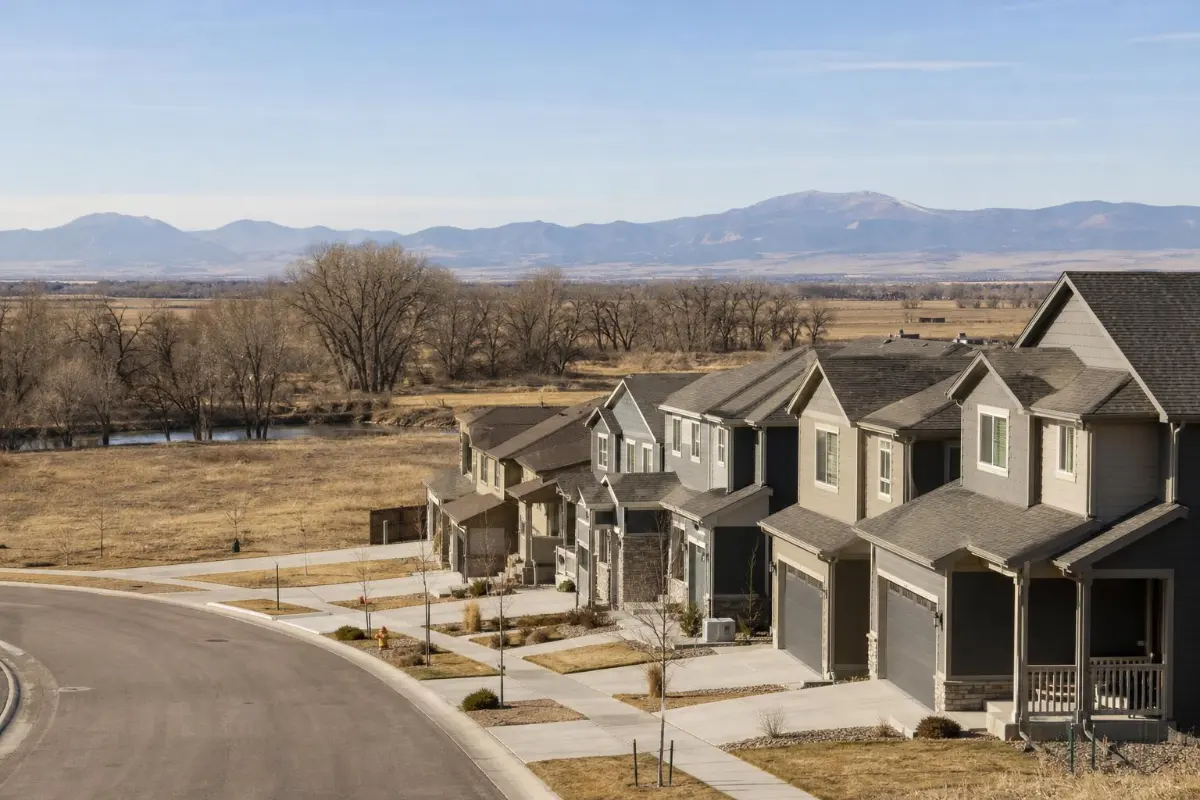
No charge to be connected with an independent foundation repair contractor who serves Monument.
Ask whether a soils report or an engineer's evaluation makes sense for what you are seeing.
Monument asks contractors for a town business license, and PPRBD permits need a PPRBD license.
Parts of it can be. USGS work at the Air Force Academy, just south of town, found that claystone lenses in the Dawson Arkose swell when exposed, while the sandstone generally made a good foundation. Only a soils report or an engineer can say what is under your house.
The Town of Monument handles residential alteration permits together with the Pikes Peak Regional Building Department. PPRBD says water damage typically needs no permit unless there is structural or foundation damage, so ask the contractor about your repair.
It can. Melting snow soaks the soil next to the walls, and clay soils swell when wet. The Colorado Geological Survey recommends sloping the ground away from the house and keeping downspout water and sprinkler spray at least 5 feet from the foundation.
Yes, where the contractor's coverage reaches. Coverage is confirmed by address, and the referral is free.
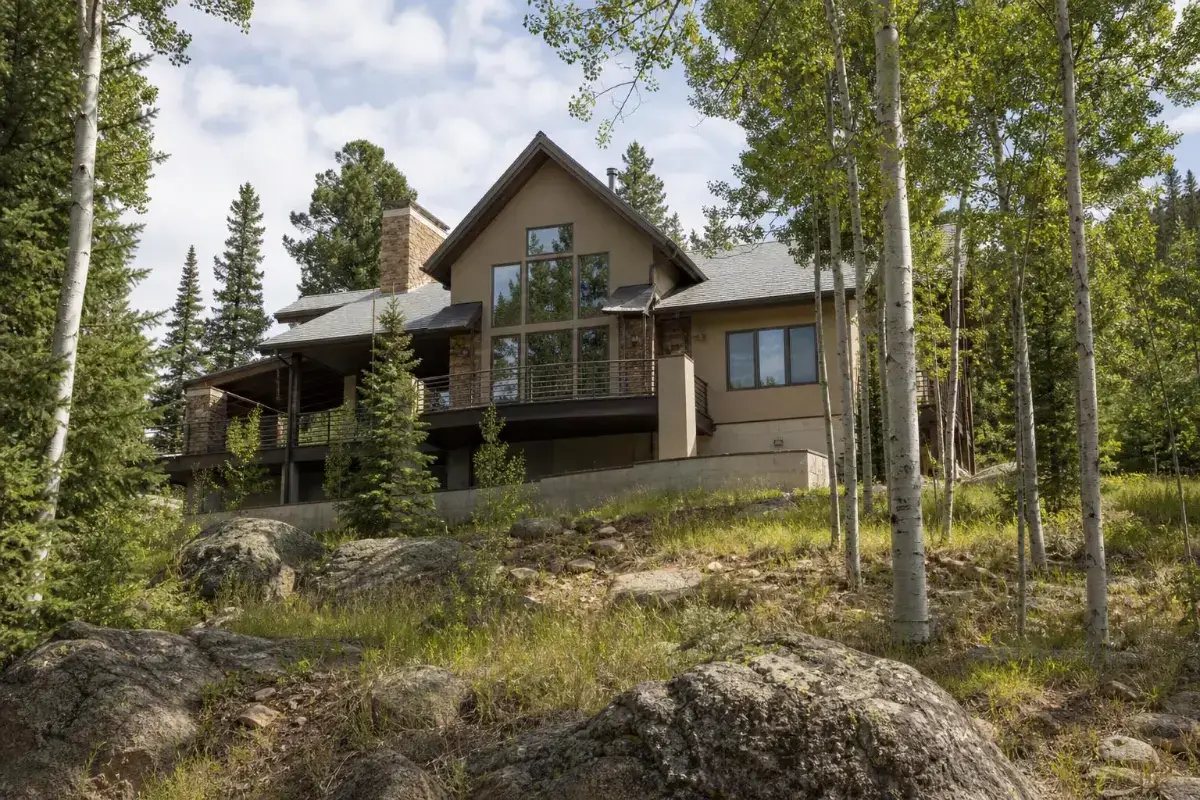
Monument and Tri-Lakes homeowners: call or send a request to be connected with an independent foundation repair contractor.
Free — no obligations