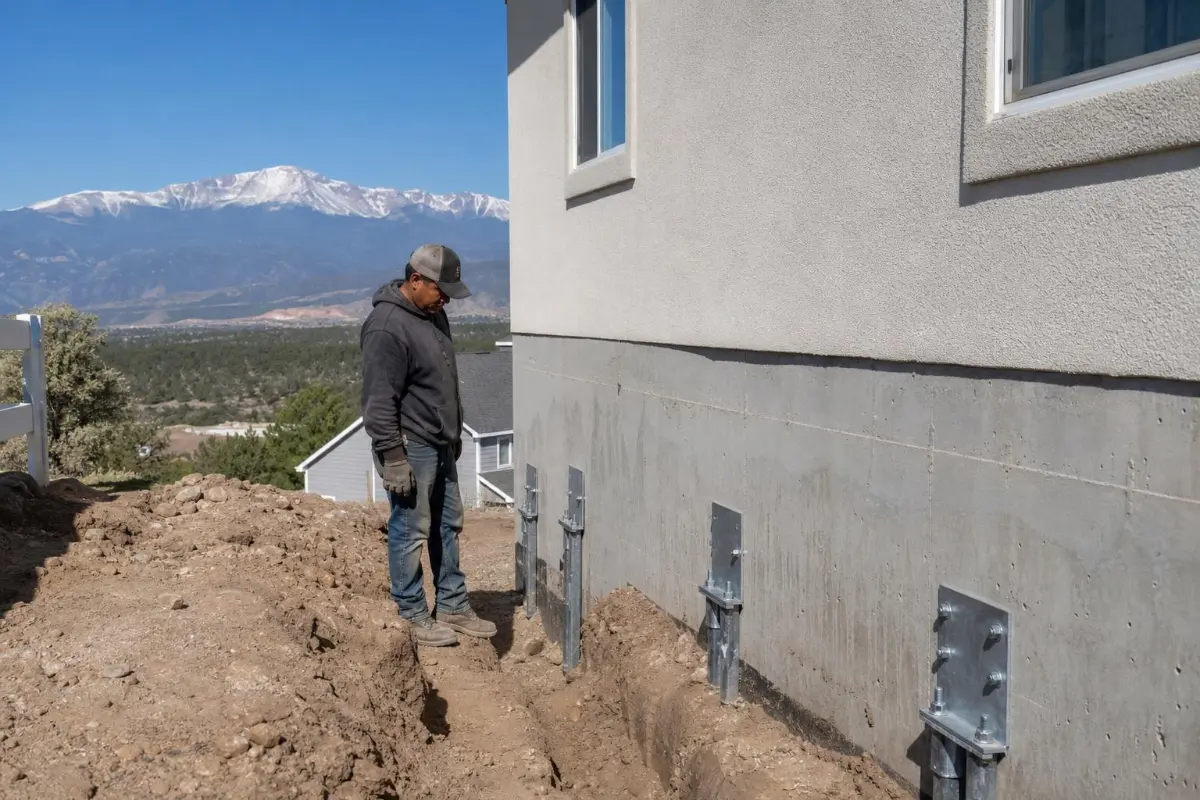
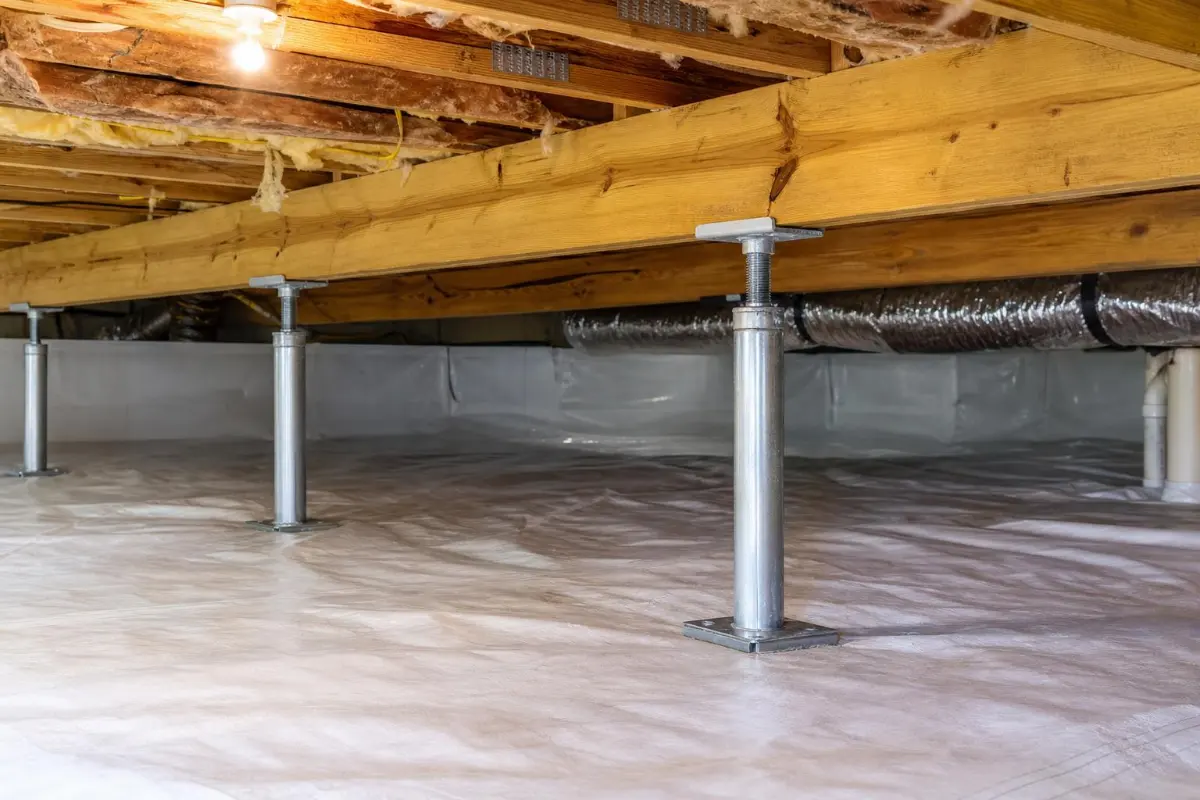
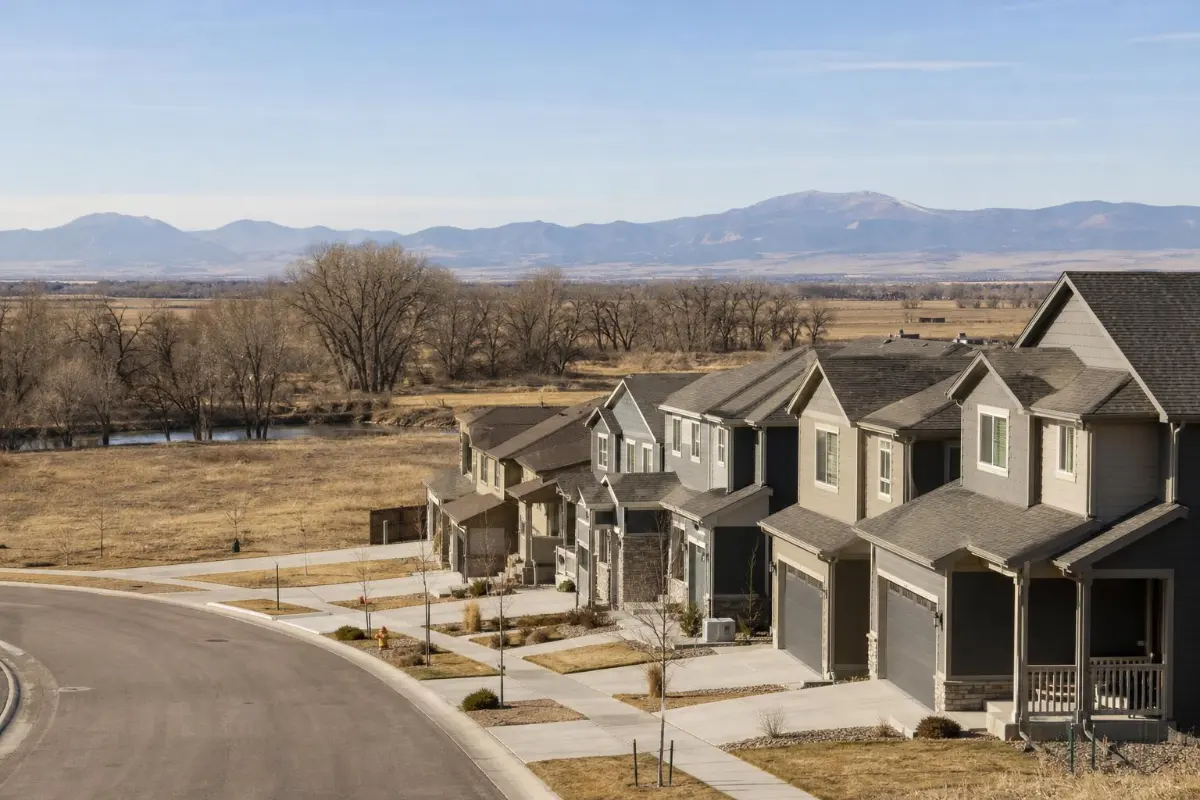
Piering and underpinning are the repairs people mean when they talk about "fixing the foundation." Instead of patching what you can see, the contractor adds support under the house that reaches below the soil that is moving, then holds or lifts the foundation on that support. It is the biggest foundation job most homeowners ever face, and in Colorado Springs, where the Colorado Geological Survey calls expansive soil "Colorado's most significant geologic hazard," it is worth understanding before anyone starts digging.
Colorado Springs Foundation Repair Help is an independent referral service, not a foundation repair company. A request through this site goes to an independent foundation repair contractor who serves Colorado Springs and nearby towns. The contractor looks at the house, explains what they think is moving and why, and gives you a price before any work begins. The referral is free. Callbacks and on-site availability vary.
Signs a House May Need Piers
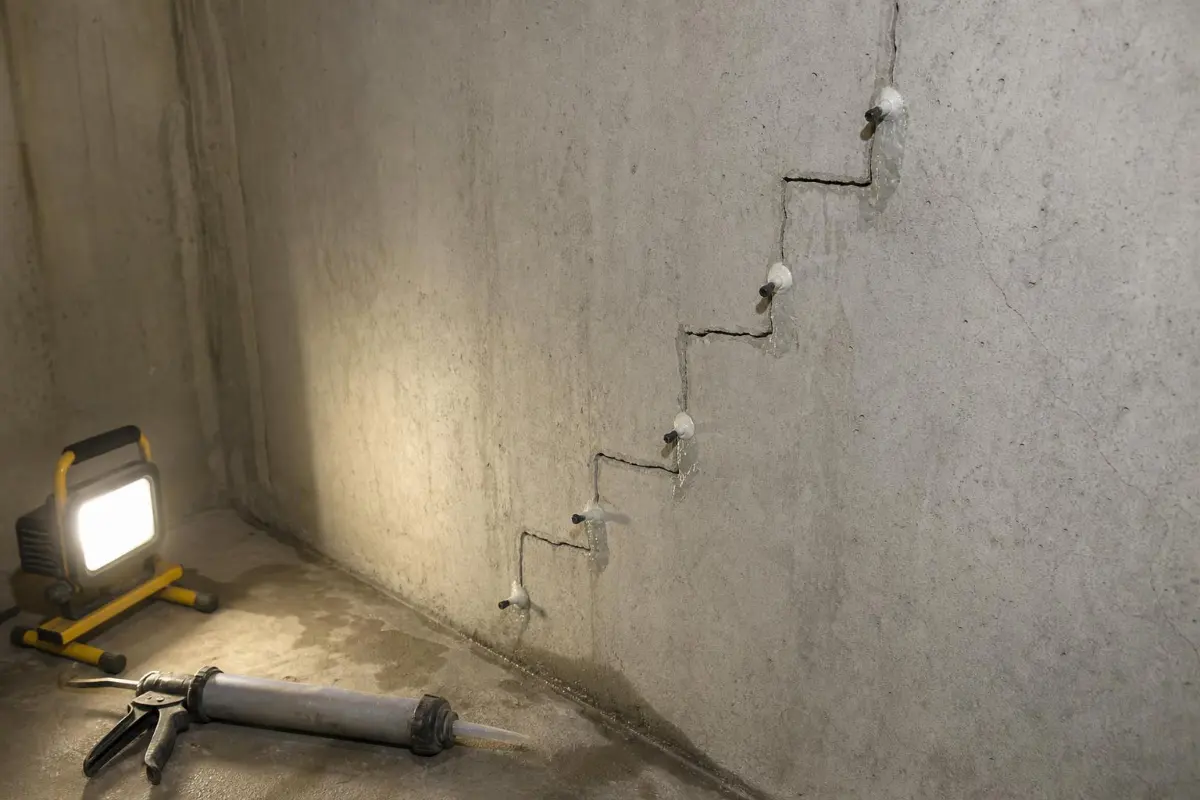
- Cracks that keep growing in basement walls, brick or drywall, especially diagonal cracks from the corners of doors and windows.
- Doors and windows that stick or show gaps that widen at one corner.
- Floors that slope toward one side or corner of the house.
- A section that has dropped or lifted, such as a corner, an addition or a porch pulling away.
- Basement walls that bow or show one side of a crack pushed past the other.
None of these alone proves you need piers. Water and drainage problems can cause similar symptoms, and CGS's homeowner guide to swelling soils notes that damage "may occur slowly over time." Ask the contractor to show you what points to structural movement rather than surface cracking.
The Main Pier Types, Plainly
- Drilled piers. Many Front Range homes were built on them. CGS's guide to building on swelling soils says drilled piers with grade beams are generally recommended for moderate to high swelling soils, reach below the zone where soil moisture changes with the seasons, and need a 3 to 6 inch empty space between the soil and the grade beam so swelling clay has room to move. If your house already sits on drilled piers, the question is why it moved anyway. CGS's expansive soil page lists badly sized or "mushroom-topped" drilled piers and too little void under grade beams among the common problems.
- Push piers. According to a 2024 article by an engineer in the trade magazine WATERPROOF!, "Push piers are hydraulically driven into the ground using the weight of the structure as resistance." The same article says they suit heavier foundations such as basements.
- Helical piers. The same article says "Helical piers are screwed into the ground using a hydraulic torque motor," and that they suit lighter structures and can resist uplift as well as settling.
Which type fits depends on the house, the soil and how deep stable material is. In parts of western Colorado Springs, CGS has mapped steeply dipping, expansive bedrock that can heave unevenly, and its heaving bedrock study says drilled piers designed for ordinary expansive soil have proven inadequate there where the bedrock's variability wasn't studied. That is one more reason to get the design right.
When an Engineer's Letter Comes In
Piering and underpinning are structural work. PPRBD's residential remodel handout says design professionals are required for any work deemed non-conventional, and its plan review guidelines require a soils report and engineered foundation design for new homes. PPRBD does not publish a page that says every pier job needs an engineer's letter, so ask the contractor directly: will a Colorado-licensed engineer design or review this repair, and will I get a copy of the letter? Engineers in Colorado are licensed through DORA's Division of Professions and Occupations, where you can check a license. If you want an independent opinion first, HomeAdvisor puts a structural engineer's report at $340 to $780 (HomeAdvisor, national, labeled 2025). This site does not provide engineers.
What Piering Costs
The contractor sets the price. These figures are guides:
- Per pier: $1,000 to $3,000 each, according to both Fixr (updated January 27, 2026) and HomeAdvisor (labeled 2025). Both are national.
- Helical piers: $2,000 to $4,000 each for foundation repair, with 4 piers at $8,000 to $16,000 and 10 piers at $20,000 to $40,000 (HomeGuide, national; the page does not date its data).
- Full underpinning: $10,000 to $40,000 (Fixr, national, January 27, 2026).
- Colorado Springs: This Old House's Colorado Springs page (updated April 18, 2024) says complex jobs involving digging, helical piers or major mudjacking run $6,900 or more. Angi's Colorado Springs foundation repair or raise page (the page does not date its data) shows an average of $13,224, most jobs $3,398 to $20,056, and a full range of $900 to $50,000.
What moves the price: the number of piers, how deep they have to go, digging and access, concrete or landscaping removed and replaced, engineering, any permit, and drainage work done at the same time.
Permits and Licensing
The Pikes Peak Regional Building Department's code requires a permit to repair or alter a structure, and its permit-exempt list includes no foundation or structural item. A contractor must be licensed and registered with PPRBD to pull a permit, and PPRBD's homeowner permit page says it is illegal for a homeowner to get a permit for a contractor they hired. Ask whether your job needs a permit and get the number if it does.