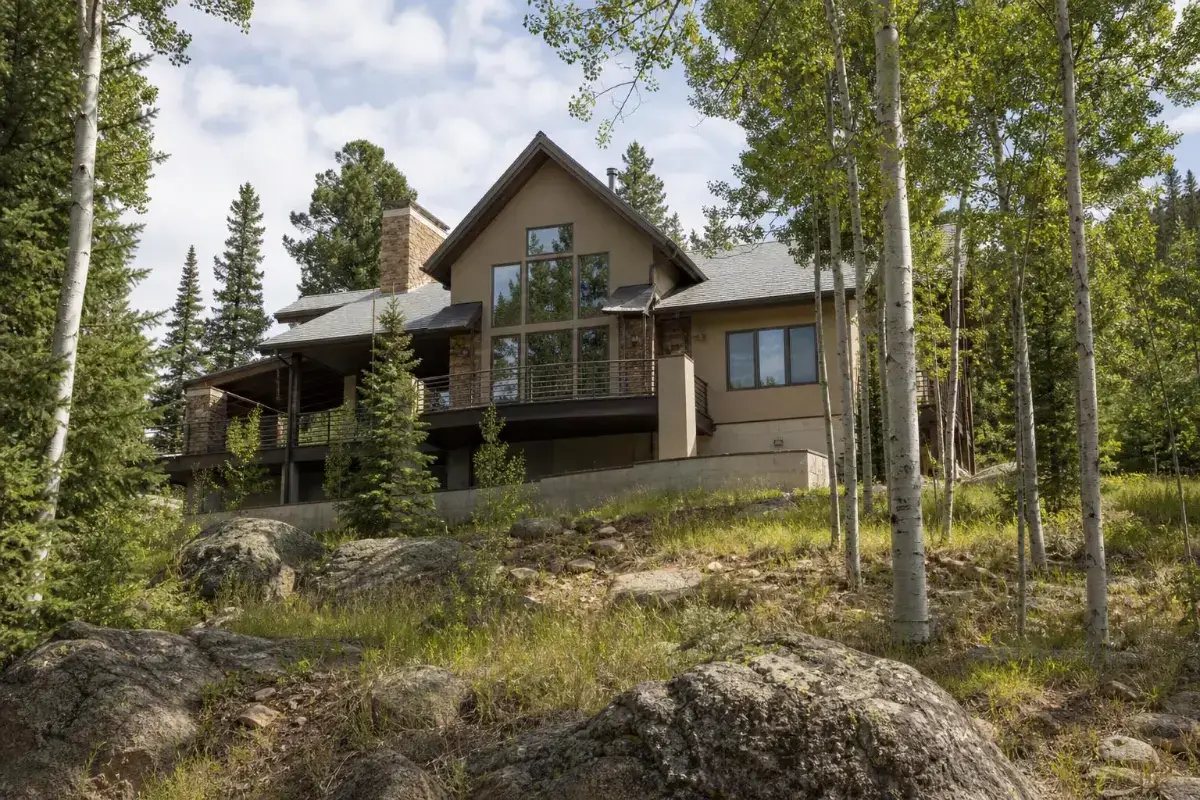
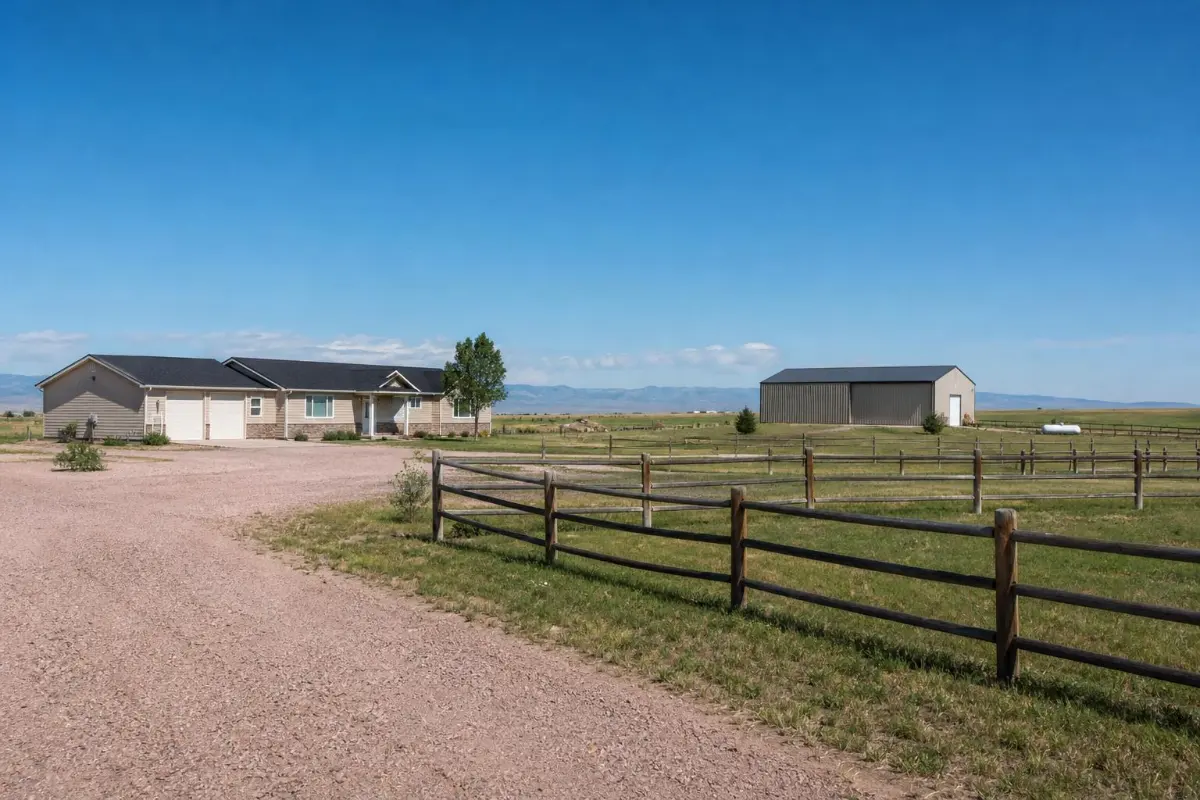
Woodland Park sits about 18 miles west of Colorado Springs on US 24, at roughly 8,481 feet, in the pine forest north of Pikes Peak. Foundations up here rest on very different ground from homes on the plains, and older houses are common. If you are seeing cracks, settling or water where it should not be, call or send a short request. Colorado Springs Foundation Repair Help is an independent referral service, not a foundation repair company. A request from Woodland Park goes to an independent third-party foundation repair contractor serving the area, which decides its own prices, timing, guarantees and terms. The referral costs nothing, and whether a contractor reaches your road is confirmed by address. Callbacks and on-site availability vary, especially for steep or remote mountain lots.
An Older Housing Stock
Woodland Park grew up along the Colorado Midland Railway, and five sawmills cut mine timber and railroad ties here until the line closed in 1918 (Teller County). The city now has about 7,949 residents and 3,647 housing units, with a median owner-occupied home value of $549,200 (Census Reporter). The city's 2022 comprehensive plan says "well over 30 percent of the houses in the City are older than 40 years," and its 2024 housing needs assessment notes that many homes in the city and county were built between 1980 and 1999 and that about 79 percent of city housing is single-family. Decades of mountain winters and spring melt give an older foundation plenty of chances to crack or settle.
Granite, Sandstone and a Fault-Block Valley
Woodland Park is not all granite. The U.S. Geological Survey's fault database describes the middle part of the Ute Pass fault zone near Woodland Park as steeply dipping fault planes that form grabens, blocks of ground that dropped down between faults. It adds that evidence of geologically recent movement is not observed north of Woodland Park and is not definitive for the zone as a whole. Federal soil surveys show what this looks like at the surface. The Pimsby soil series, whose type location is about 2 miles north of Woodland Park, formed in slope deposits from arkose, typically from the Fountain Formation, on hills on half grabens between 8,200 and 8,600 feet. The Catamount series, mapped on the Woodland Park USGS quadrangle, bottoms out in weathered granite known as grus. A USGS report on the Pikes Peak region explains that Pikes Peak granite weathers mostly by mechanical disintegration, rather than by chemical decomposition, releasing individual mineral grains.
Put together, ground conditions can change from one lot to the next, from sandstone-derived soil in the valley to crumbly decomposed granite on the slopes. The Colorado Geological Survey's Teller County landslide map adds that most of the largest landslides mapped in the county are associated with the Pikes Peak Granite. On a sloped lot, ask the contractor whether an engineer should look at the hillside as well as the house.
Snow, Creeks and Floodplains
The March 13 to 15, 2024 storm dropped 36 inches on Woodland Park, according to the National Weather Service in Pueblo. Snowmelt that soaks the ground beside a foundation can show up as basement seepage or a damp crawl space, so keep downspouts and plowed or shoveled snow away from the walls.
For homes near a stream, the city's drainage criteria manual sets floodplain rules under City Code Title 20. In the 100-year floodplain, the lowest finished floor, basements included, must sit at least 1 foot above the base flood elevation, or 1.5 feet in approximate Zone A areas. The streams it names are Trout Creek, Loy Gulch and Fountain Creek, and it notes that FEMA mapping has not been extended all the way up some headwaters reaches. If your house is near one of these, ask the city about your lot before planning work below grade.
Permits: City or County
Inside city limits, "Pikes Peak Regional Building Department provides building services for the City of Woodland Park," according to the city's Planning and Building Department. The city issues its own zoning development permits for projects such as additions, garages and decks (city FAQs), so check with the city if a repair changes the structure or its footprint. PPRBD's disaster guidance says water damage typically needs no permit unless there is structural or foundation damage.
Outside city limits, unincorporated Teller County has its own building department. Its single-family requirements handout, dated November 2023, asks new submittals for a site-specific soils report stamped by a Colorado-licensed engineer and dated within 12 months, plus signed and stamped engineered foundation plans. If your mailing address says Woodland Park but the house sits in the county, confirm with the county which rules apply to your repair.
Common Requests
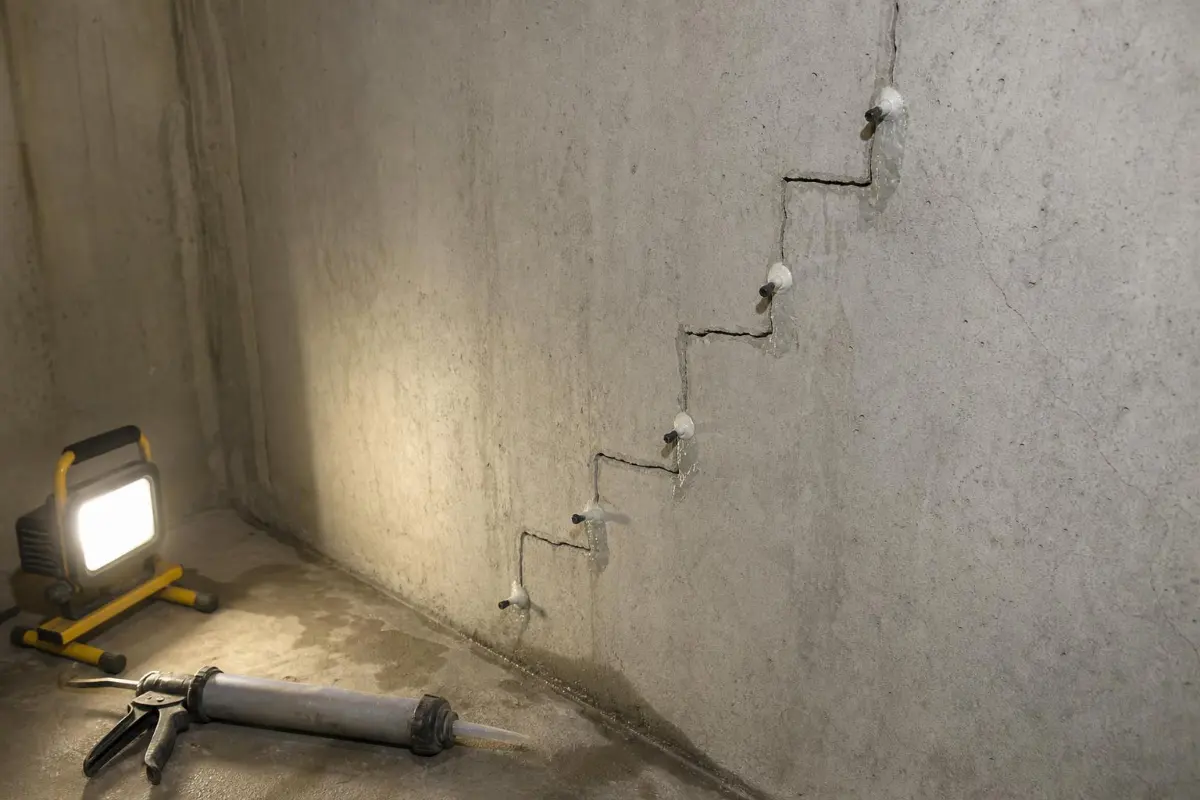
Requests from Woodland Park often involve cracks in older foundations, damp crawl spaces and basements during snowmelt, settling steps and walks on sloped lots, retaining walls holding back hillsides, and drainage fixes around homes in the pines.