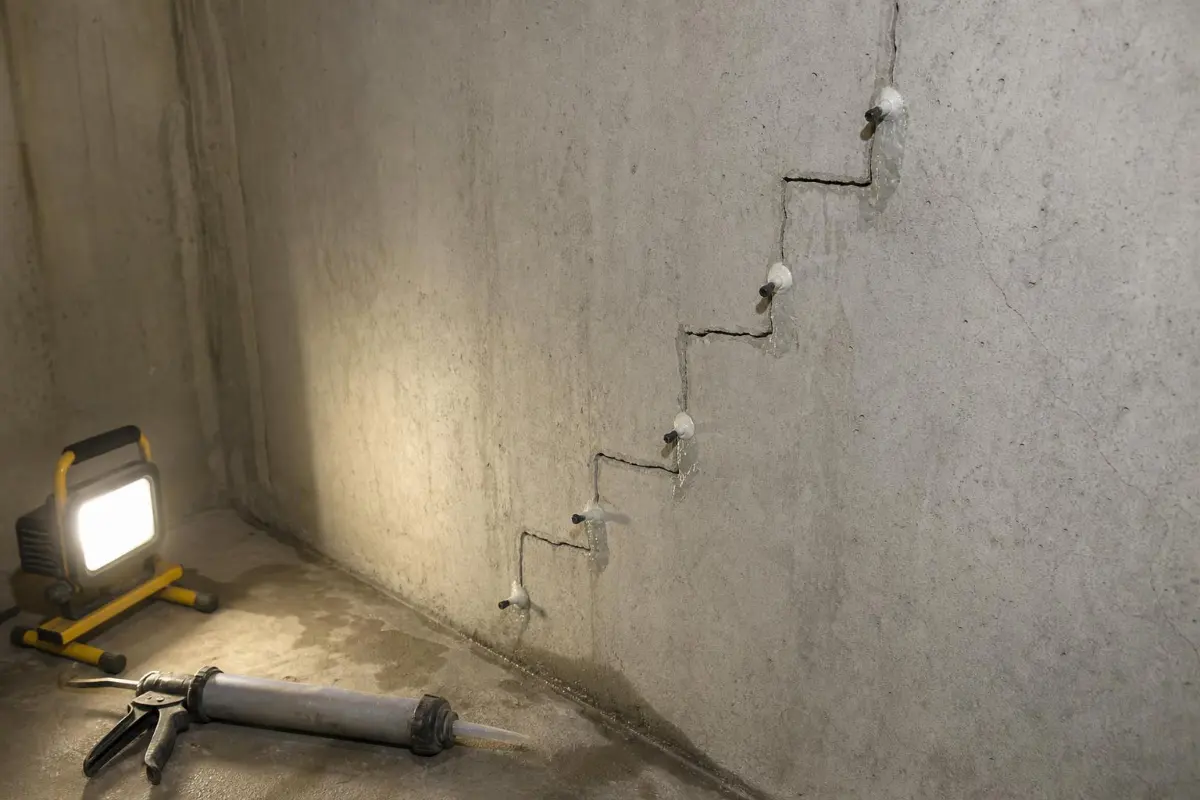
Basement wall, slab and foundation cracks
Foundation Crack Repair in Colorado Springs, CO
Found a crack in the basement wall or floor? Call or send a request to be connected with an independent Colorado Springs foundation repair contractor.
Basement wall, slab and foundation cracks
Found a crack in the basement wall or floor? Call or send a request to be connected with an independent Colorado Springs foundation repair contractor.
Almost every house in Colorado Springs has a crack somewhere: a line across the basement floor, a hairline in a poured wall, a split in the garage slab. Most people notice one while moving boxes or after a wet week, and the first question is always the same: is this a problem?
Colorado Springs Foundation Repair Help is an independent referral service, not a foundation repair company. A request through this site goes to an independent foundation repair contractor who serves Colorado Springs. The contractor looks at the crack and what is around it, explains what they think caused it and gives you a price before any work begins. The referral is free. Callbacks and on-site availability vary.
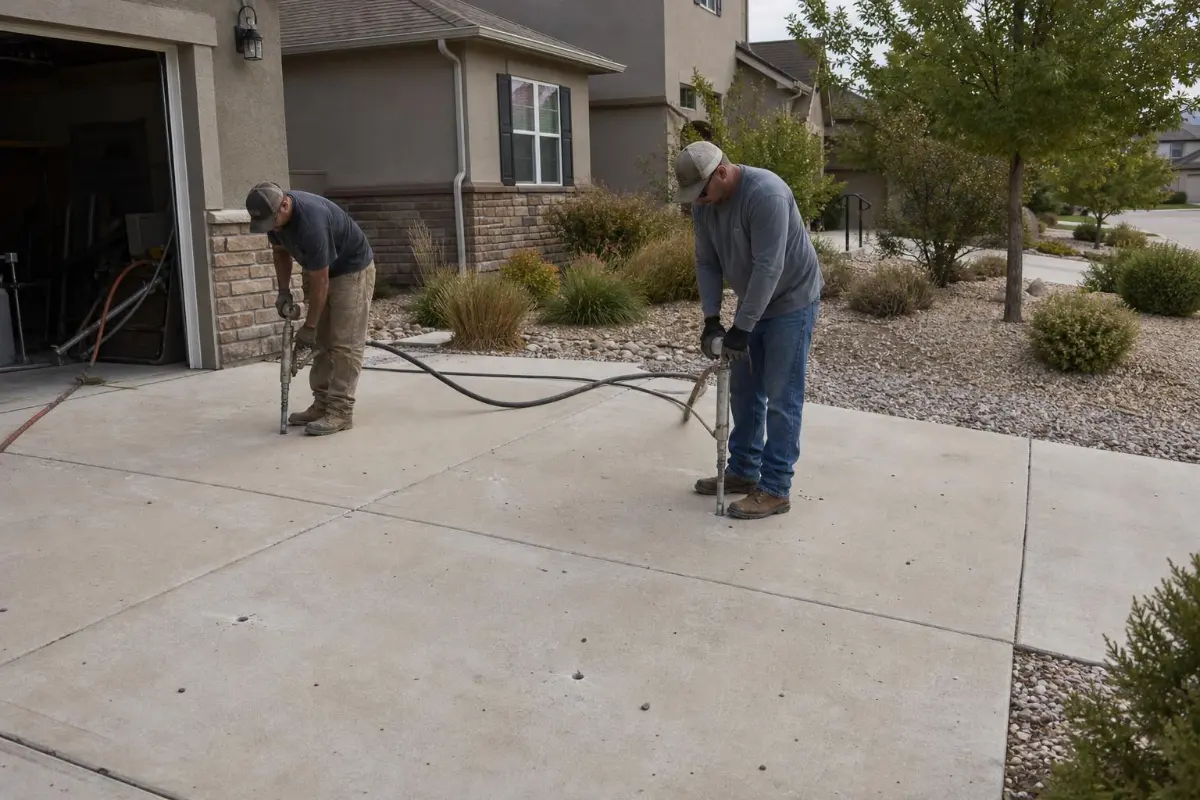
Basement and garage slabs. On swelling soil, CGS's guide to building on swelling soils says ordinary slab-on-grade floors are not recommended, and that basement and garage slabs are often built as "floating" slabs, separated from walls, columns and utilities so they can move without pushing on the house. It also says nonbearing walls built on a basement slab need several inches of empty space between the wall and the floor. A floating slab that cracks or lifts is doing part of its job, but large movement can still break partition walls, door frames and plumbing. CGS's landscaping booklet suggests keeping basements unfinished on swelling soil or using specially designed partitions.
Foundation walls. A poured or block wall carries the house. Cracks here matter more when they grow, leak, run diagonally or show one side pushed in or out past the other.
There is no single measurement that sorts every crack, and this site will not pretend there is. Some practical guidance:
CGS tells homeowners to check cracks in basement and garage floors, driveways and walks, walls near the corners of doors and windows, and movement at furnace ducts and utility lines. Mark the ends of a crack in pencil with the date and photograph it with a tape measure. If it grows, you have evidence. If the signs point to structural movement, a licensed engineer's opinion may be worth the cost; Angi puts a structural report at $300 to $1,000 (Angi, national, updated May 12, 2022).
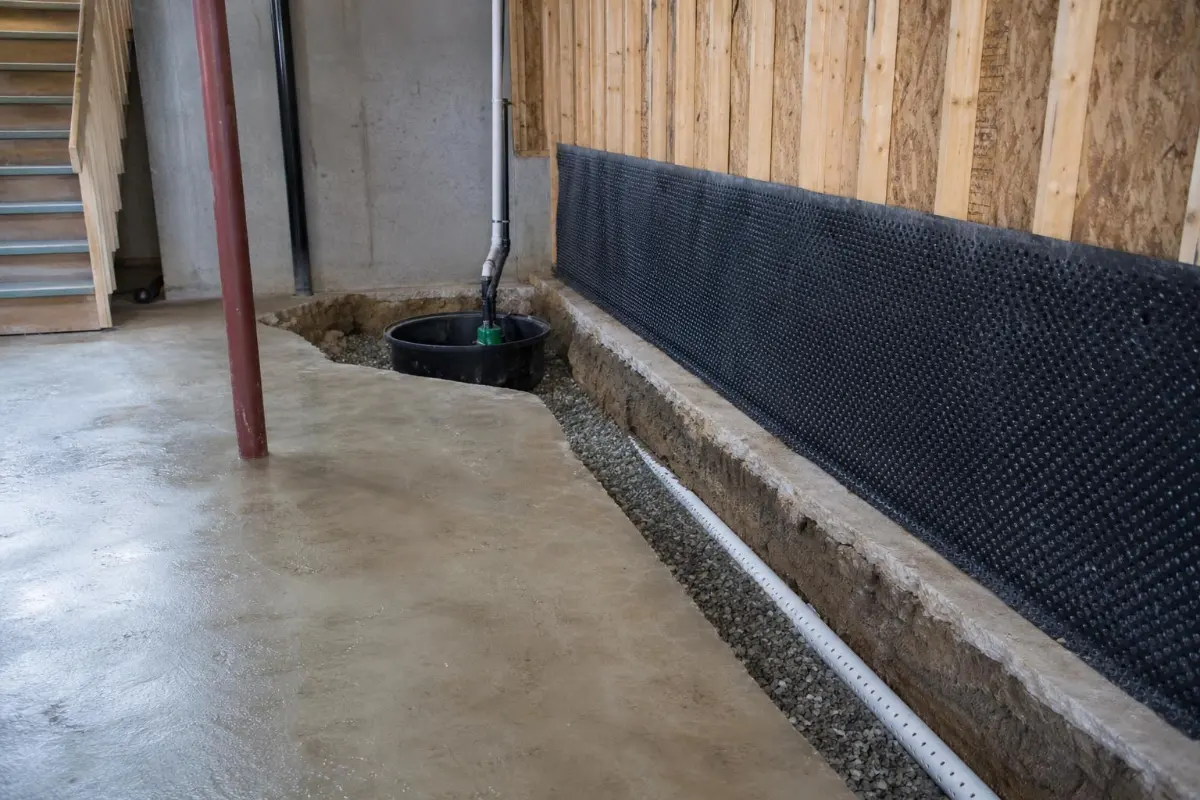
Whatever the method, ask what caused the crack. If water from a downspout or sprinkler is soaking the soil next to the wall, CGS's landscaping booklet recommends discharging downspouts at least 5 feet from the foundation and keeping sprinkler spray at least 5 feet away.
The contractor sets the price. These are guides:
Price depends on the length and number of cracks, wall type, whether the crack leaks, whether finished walls have to be opened, and whether stabilization is needed.
PPRBD's permit-exempt list covers painting, tiling and similar finish work, but includes no foundation or structural item. PPRBD's disaster page says water damage typically needs no permit "unless there is structural or foundation damage." Ask the contractor whether your repair needs a permit; a simple sealing job and a wall stabilization are not the same thing.
These are the crack problems Colorado Springs homeowners most often ask about.
Cracks in poured walls filled from the inside to seal out water.
Cracks that let water in sealed, with drainage outside checked too.
Cracks in basement and garage slabs sealed where the slab is stable.
Carbon fiber or steel braces installed on walls that lean or bow.
Cracks checked to judge whether they are cosmetic or a sign of structural movement.
Ask what made the crack, and whether water or movement is still at work.
Keep photos of each crack with a date to show whether it is growing.
Get the repair method and price in writing before anything is drilled.
Tell us about the crack and get connected with an independent Colorado Springs foundation contractor.
Free — no obligations
Describe where the crack is, how long it is and whether it leaks.
An independent contractor who serves Colorado Springs contacts you to set a visit.
The contractor looks at the crack and the house around it and explains the likely cause.
You get a price before work starts and decide whether to go ahead.
This Old House's Colorado Springs page (updated April 18, 2024) lists crack repair at $353. Nationally, HomeAdvisor (labeled 2025) gives $250 to $800, and Fixr (January 27, 2026) puts epoxy injection or crack sealing at $200 to $1,000. Wall stabilization is a bigger job at $4,000 to $12,000 nationally (HomeAdvisor). The contractor sets the price.
Often it is not. CGS notes that basement slabs on swelling soil are usually built to float, separate from the walls, so they can move. Watch for cracks that lift, widen or push on walls and door frames above them.
There is no single rule. Cracks that grow, leak, run in a stair-step pattern, show one side offset from the other, or come with sticking doors and sloping floors deserve a professional look, and sometimes an engineer's opinion.
It can stop water and seal a stable crack. If the house is still moving, the crack will likely return. Ask the contractor what caused it and whether drainage or structural work is needed too.